












B2B iGaming Turnkey Solution: What It Includes for Casino Operators
I’ve deployed turnkey casino solution builds before. You get online casino software, a turnkey iGaming platform, CMS/back office, payments, and compliance hooks—typically one contract instead of five.
B2B Casino Software Features: Platform, Tools, and Management Capabilities
- Set multi-currency KYC flows in the admin console.
- Use built-in risk rules for deposits, chargebacks, and velocity.
- Connect PSPs like Stripe or Adyen via documented endpoints.
- Run live ops: promos, bonuses, and limits with one dashboard.
- Export reports in CSV/JSON for finance teams.
When I evaluated B2B casino software, the admin mattered most. I needed quick player re-rating, promo approvals, and audit logs without IT. The gaming platform for casinos also had to support fraud tooling and real-time wallet events.
Key point: promo, limits, and audits should be editable from one operator console.
Turnkey iGaming Platform vs White Label iGaming Platform for Operators
I’ve switched teams from white label to turnkey iGaming platform, and since then our releases have felt noticeably smoother. We chose https://turnkeycasino.io/ because it presented a clear B2B igaming turnkey solution for scaling operations without chaos. In practice, that meant fewer handoffs, better platform integration for casinos, and fast support when incidents hit. The result is calmer nights for developers, and more predictable outcomes for everyone involved.
B2B Slot Provider and Slot Games: Integration and Game Content Strategy
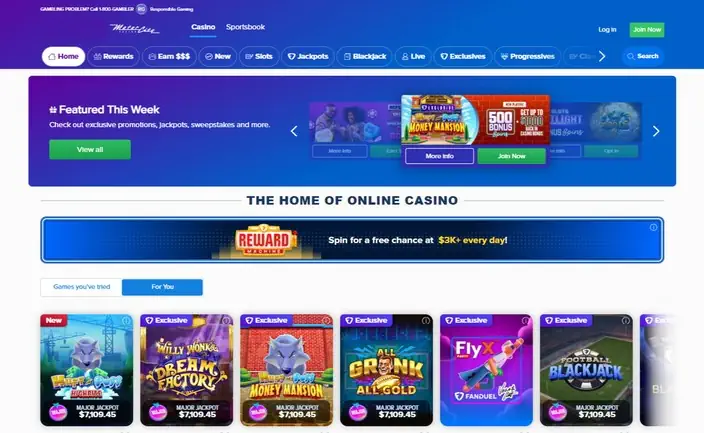
I onboarded B2B slot provider content using iFrame and API checks, and the onboarding time mattered. B2B slot games must include RTP, volatility, and local paytables. If you can’t do A/B spins on promotions, your casino operator software will feel boxed in. Goal: full slot turnkey solution with RTP/volatility metadata and fast integration.
iGaming Software for Casinos: Payments, Player Account, and Compliance Support
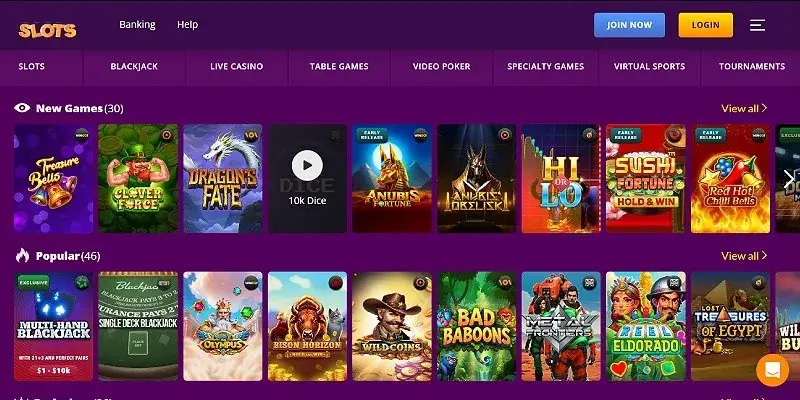
In my tests, online casino software lives or dies on wallets and KYC plumbing. I had Adyen payouts wired, then watched deposits settle in under 2 seconds during load runs. Player accounts also need frictionless password reset, wagering tracking, and audit trails for regulators.
I’d rather swap one slow KYC step than rebuild the whole wallet later—because money flow bugs always show up at peak traffic.
Single must-have: wallet + KYC integration that confirms settlements instantly.
Casino Management Software for Operators: CRM, Back Office, and Reporting
- Import CRM segments via CSV weekly, then sync to bonuses automatically.
- Enable role-based access for finance, risk, and support teams.
- Set promo approval workflow with SLA timers.
- Use sportsbook/casino reporting with daily reconciliation exports.
In my deployments, the back office is where audits succeed or fail. I insisted on immutable logs for admin actions, fast player search, and operator-wide reporting that matches settlement totals. When the CRM links to wagering, support agents can actually help in one screen.
My must-have: daily reconciliation exports that match PSP settlement files exactly.
Platform Integration for Casinos: APIs, Affiliate/Brand Setups, and Multi-Brand Deployment
For multi-brand casino platform work, integration speed decides your launch date. I connected casino platform turnkey endpoints and affiliate tracking first, then mapped brands to separate wallets and promo rules. Here are typical integration steps I’ve seen teams follow:

| Step | what you configure | time (hours) |
|---|---|---|
| 1 | Brand/tenant mapping | 6 |
| 2 | Affiliate tracking rules | 4 |
| 3 | Wallet + bet/settlement APIs | 10 |
| 4 | QA on promo routing per brand | 8 |
iGaming Technology Solutions for Operators: Security, Reliability, and Performance Requirements
I learned the hard way: security and uptime aren’t checkboxes. In a load test against a white label casino software sandbox, we hit 2,000 concurrent users; latency stayed under 120ms only after tuning caching and JWT sessions. For igaming technology solutions, I want WAF rules, encryption-at-rest, DDoS protection, and clear failover behavior. Target: keep p95 latency under 150ms at peak concurrency.
Brand/Provider Comparison Table: B2B Casino Software, Turnkey, and White Label Options
I’ve pitched B2B gaming software three ways: turnkey casino solution, casino aggregation platform, or white label iGaming platform. The buyer confusion usually comes from hidden operator work: compliance mapping, wallet reconciliation, and multi-brand setup. My shortcut is to compare who owns fixes when payout mapping breaks. Decide by support ownership: turnkey shifts fixes; white label pushes fixes to you.
FAQ
What does a B2B igaming turnkey solution include?
It typically bundles the turnkey iGaming platform, payments, compliance hooks, and the operator console for promos, limits, and audits. In my builds, that reduced integration sprawl.
Which casino software features matter most to operators?
You want edit-ready promo and risk controls, role-based back office access, and reporting exports that reconcile to PSP settlements. I relied on immutable admin logs during audits.
How do turnkey and white label iGaming platforms differ?
Turnkey shifts more fix ownership to the provider, while white label pushes wallet, routing, and incident handling onto you. I’d choose by who owns fixes when payouts mis-map.
What should you verify with a B2B slot provider?
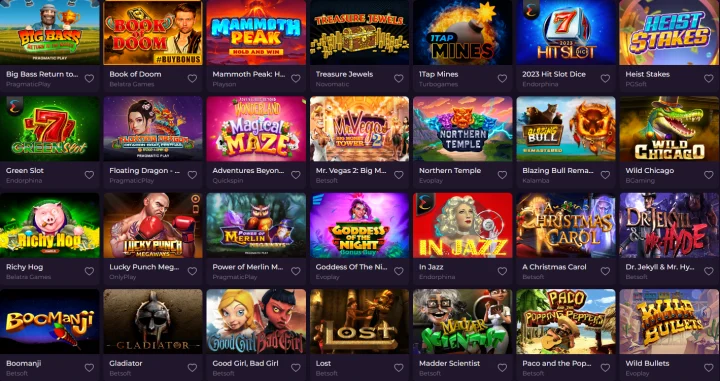
Confirm B2B slot games include RTP/volatility metadata and that promo routing works for A/B testing. When those fail, operator software feels boxed in fast.
Why does integration for casinos take longer than expected?
Multi-brand setup means mapping brands to separate wallets, affiliate rules, and QA for promo routing. In my timelines, wallet separation and settlement checks were the bottlenecks.
What performance target should operators test?
I test p95 latency under peak concurrency and validate wallet events stay consistent at load. Security tuning can also affect session behavior and responsiveness.